

GFIP works to improve how land is planned and managed through better data, mapping tools, and inclusive decision-making processes. This is important because poor land-use planning can lead to deforestation, habitat loss, and conflicts over natural resources. By strengthening spatial data systems and supporting governments in integrating biodiversity considerations into land-use decisions, GFIP helps create a more balanced approach to development and conservation. The goal is to ensure that land-use decisions are informed by reliable data, shaped by diverse stakeholder perspectives, and designed to support long-term environmental, social, and economic sustainability. Looking ahead, GFIP aims to expand participatory planning approaches and further enhance data systems, enabling countries to make more informed and sustainable land management decisions.


GFIP works across interconnected areas to tackle the root causes of forest loss. By combining policy reform, landscape management, sustainable finance, and inclusive governance, we deliver impact at scale across the Guinean Forests.
Land Use Planning
& Spatial Analysis

© Benjamin Drummond
Forest Management &
Conservation
GFIP works to strengthen protected areas and advance conservation efforts across forest landscapes. Healthy forests are essential for preserving biodiversity, regulating the climate, and supporting the livelihoods of millions of people. To achieve lasting impact, GFIP focuses on improving the effectiveness of protected area management while also promoting conservation approaches that extend beyond the boundaries of protected areas.
The goal is to ensure that forests are protected, restored, and managed sustainably for future generations. Looking ahead, GFIP aims to build local and institutional capacity while scaling integrated conservation approaches that support both environmental protection and sustainable development.
© Varney K. Sirleaf
Sustainable Land Use &
Livelihoods
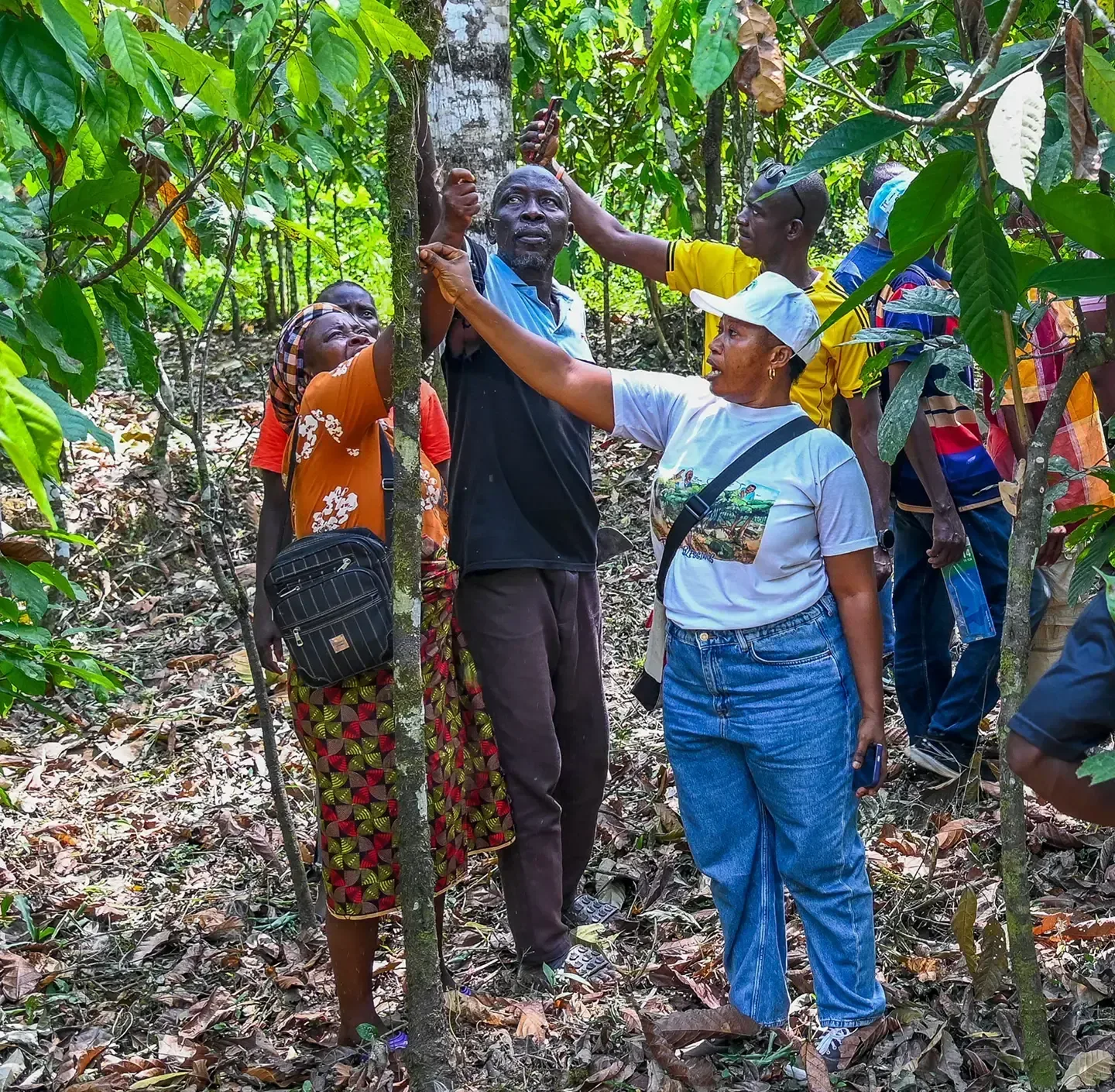
GFIP promotes sustainable agriculture and nature-based livelihoods that support both people and the environment. Unsustainable land-use practices are among the leading drivers of deforestation, threatening biodiversity, ecosystem health, and long-term economic resilience. By supporting community-led solutions and nature-based enterprises, GFIP helps create opportunities for sustainable development while reducing pressure on forest ecosystems.
The goal is to ensure that communities can improve their livelihoods while actively protecting and managing forest resources. Looking ahead, GFIP aims to scale successful sustainable livelihood models, strengthen value chains, and expand economic opportunities that contribute to both environmental conservation and community well-being.

© Benjamin Drummond
Policy & Governance
GFIP works to strengthen the policies, institutions, and coordination systems that are essential for effective and lasting environmental management. Strong governance provides the foundation for long-term impact by ensuring that conservation and sustainable development efforts are supported by clear policies, capable institutions, and effective collaboration across sectors and regions.
To achieve this, GFIP supports policy alignment, builds institutional capacity, and fosters regional coordination among governments and partners. The goal is to create an enabling environment where policies are coherent, institutions are effective, and decision-making processes support sustainable outcomes. Looking ahead, GFIP aims to deepen regional collaboration, advance policy reform, and strengthen governance systems that can drive lasting positive change for forests, biodiversity, and communities.

Sustainable Finance
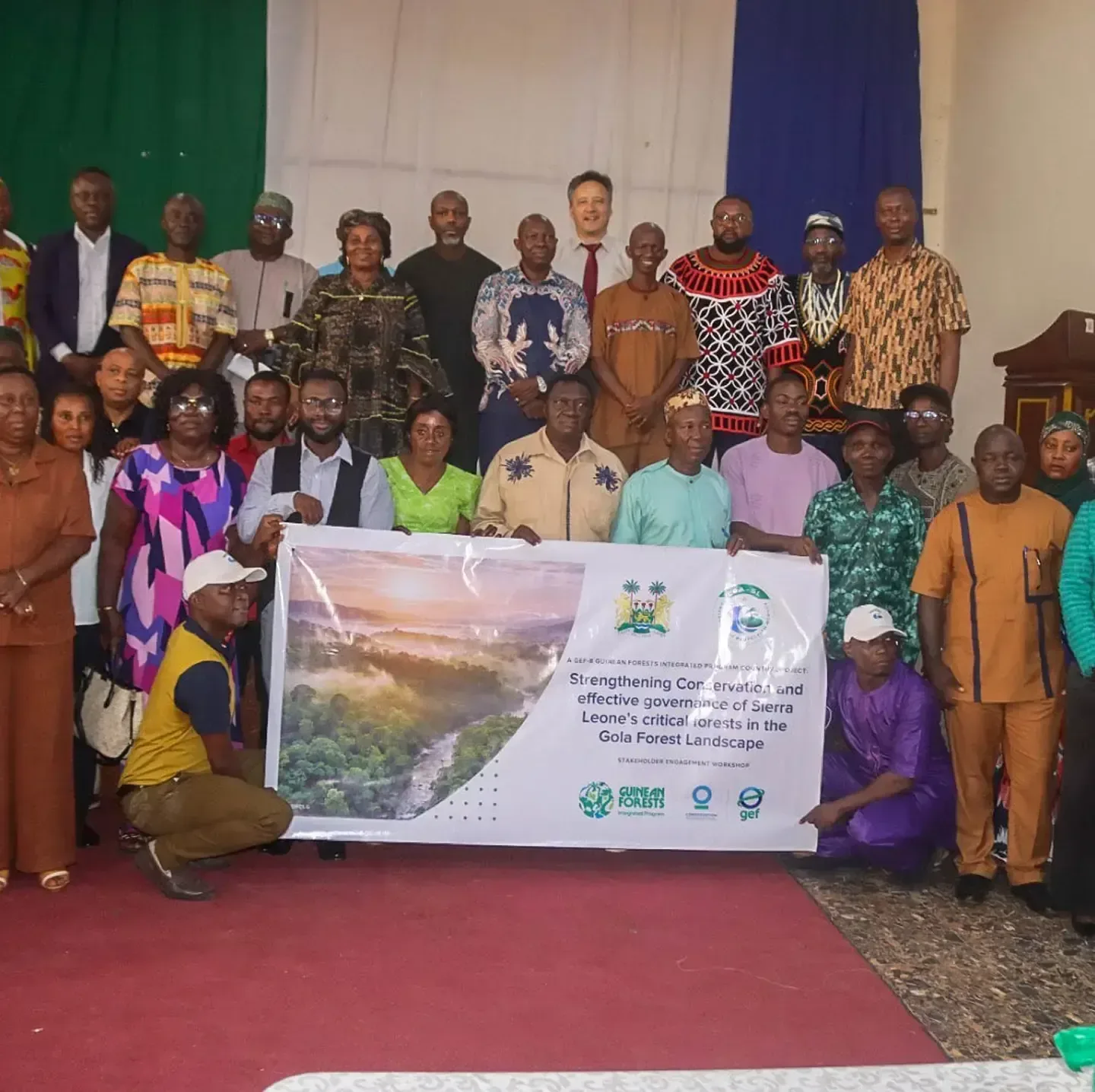
GFIP works to mobilize long-term funding that supports the conservation and sustainable management of forests. Conservation efforts require reliable and sustainable financing that extends beyond the lifespan of individual projects, ensuring that positive impacts can be maintained and scaled over time.
To achieve this, GFIP helps develop innovative financing mechanisms, including carbon markets, payments for ecosystem services, and conservation trust funds. These approaches create new opportunities to generate and sustain investment in forest protection and restoration. The goal is to establish financing systems that can support conservation at scale, providing long-term resources for environmental stewardship and sustainable development. Looking ahead, GFIP aims to expand partnerships with financial institutions and the private sector to unlock additional funding and strengthen the financial foundations of conservation efforts worldwide.
Knowledge, Learning &
Monitoring
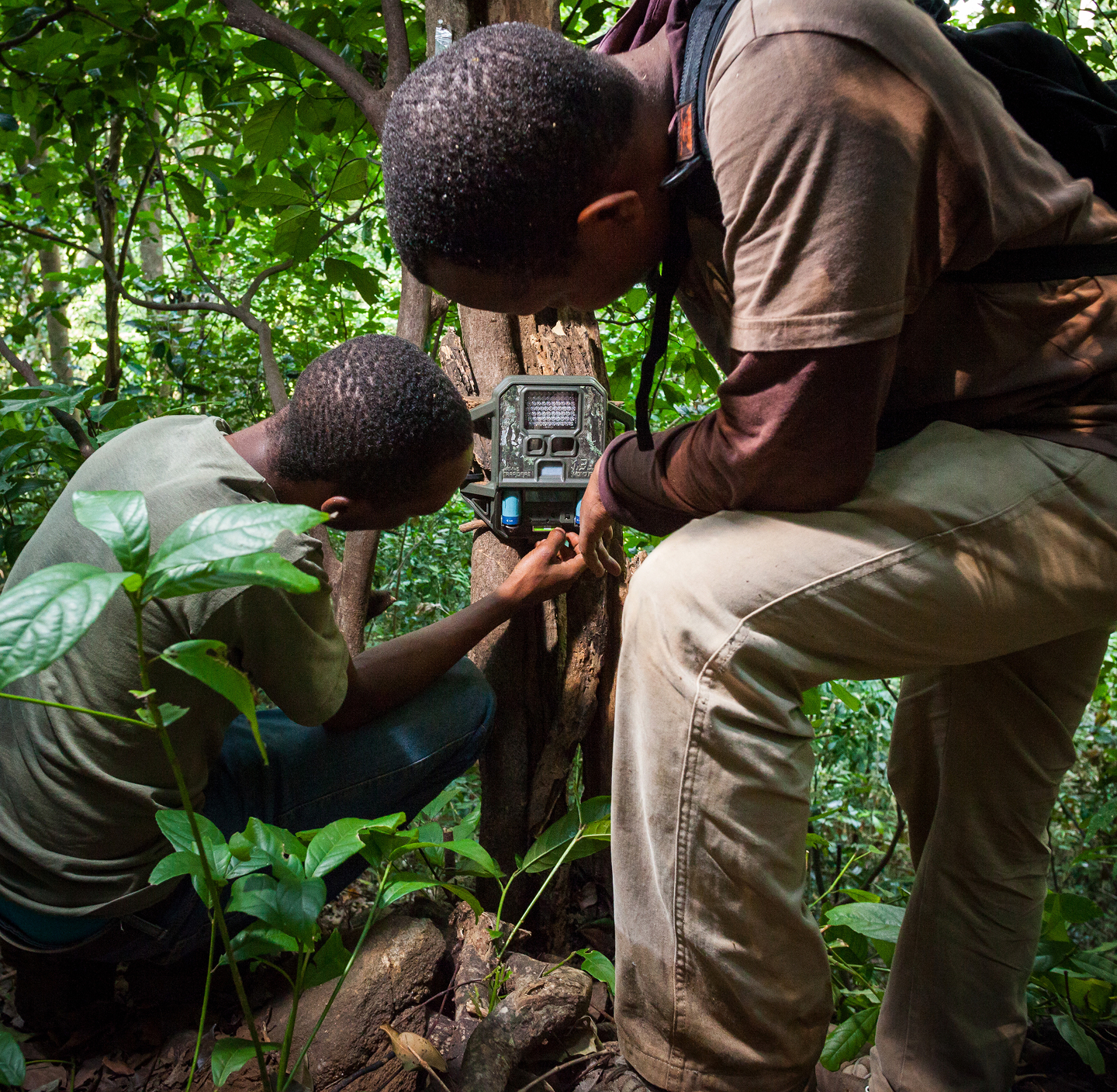
GFIP works to strengthen data systems and promote knowledge sharing to support more effective conservation and sustainable development efforts. Reliable data, continuous learning, and the exchange of knowledge are essential for making informed decisions, measuring progress, and improving outcomes over time.
To achieve this, GFIP supports the development of monitoring systems, data collection and analysis tools, and regional platforms for knowledge exchange among countries and partners. By fostering collaboration and learning, GFIP helps ensure that successful approaches can be adapted and replicated across different contexts. The goal is to create a culture of evidence-based decision-making where policies, programs, and investments are continuously informed by data and improved through shared experience. Looking ahead, GFIP aims to further enhance data systems, strengthen monitoring capabilities, and expand learning platforms that connect stakeholders and accelerate collective impact.
© Benjamin Drummond