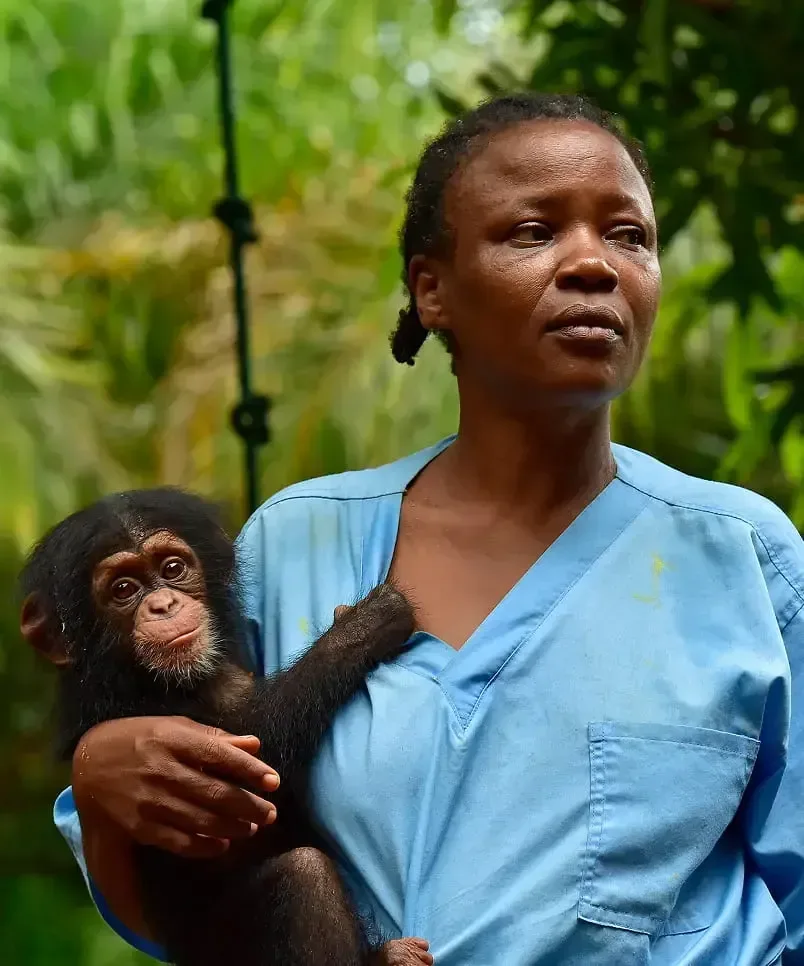





A lady carrying a baby monkey

Our Work

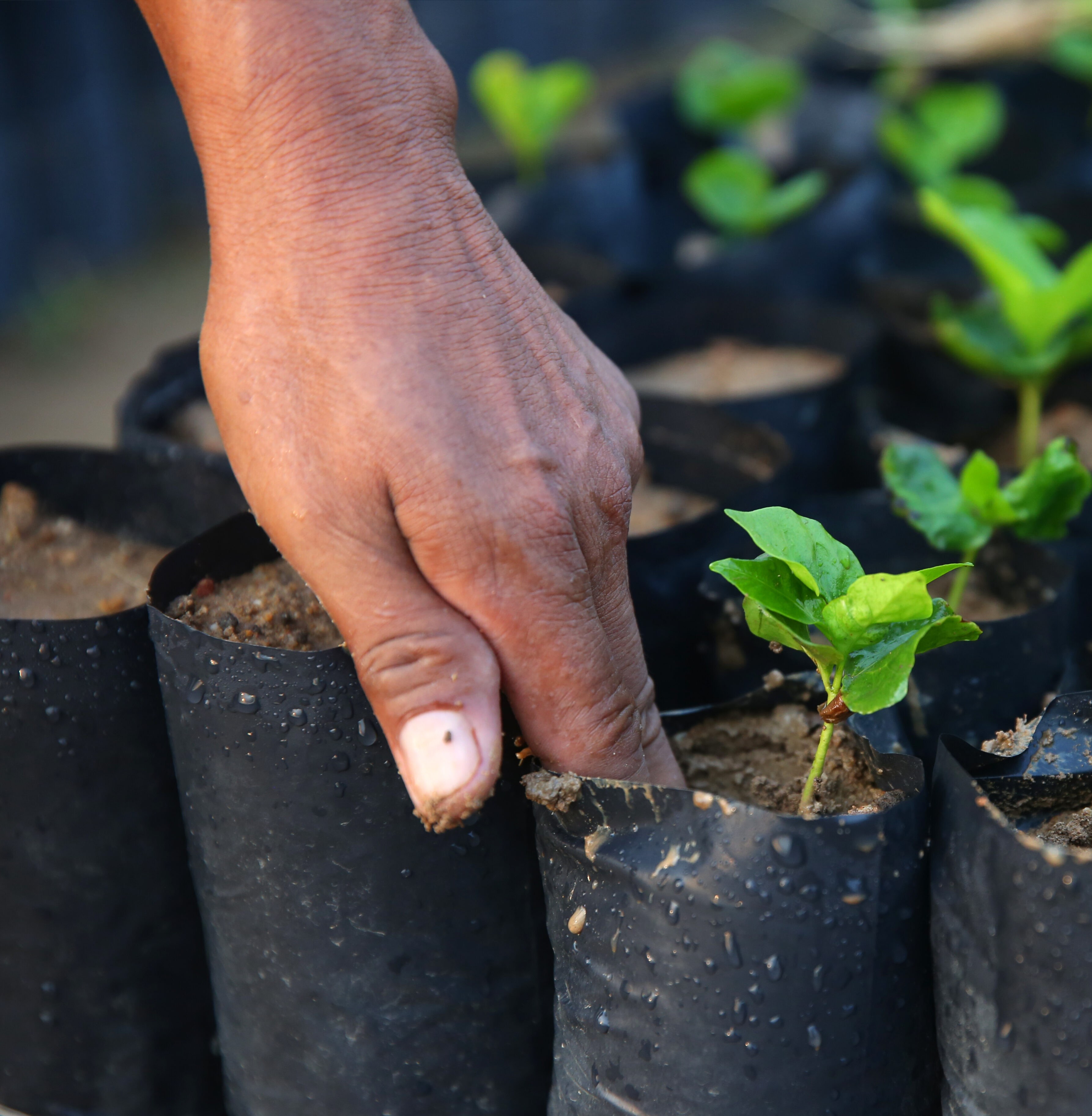
A person displaying small brown seeds in the palm of their hand.
© Joshua Trujillo

GFIP delivers impact through coordinated country projects and a regional platform that integrates governance reform, landscape management, sustainable financing, and knowledge exchange.

The program benefits forest-dependent communities, governments, and the global environment.

Areas of Work

Connecting people, knowledge, and action 

GFIP works across interconnected areas to tackle the root causes of forest loss. By combining policy reform, landscape management, sustainable finance, and inclusive governance, we deliver impact at scale across the Guinean Forests. 

Areas of Work
A green stylized map icon with a location pin on top.

Land Use Planning & Spatial Analysis

Supporting integrated, gender-responsive land use planning and spatial analysis to guide sustainable development, reduce land-use conflicts, and balance conservation with community needs.

Logo of a leaf inside a gear representing green technology.

Forest Management & Conservation

Strengthening the protection, restoration, and sustainable management of forests, protected areas, and biodiversity to enhance ecosystem health and resilience across the Guinean Forests.

Icon representing agriculture and farming.

Sustainable Land Use & Livelihoods

Promoting sustainable land use practices and nature-based livelihoods that improve community well-being while reducing pressures on forests and biodiversity.

Icon depicting a courthouse building and a legal gavel.

Policy & Governance

Working with governments, regional institutions, and partners to strengthen forest governance, improve policy coherence, and create enabling conditions for long-term conservation and sustainable resource management.

An illustration symbolizing financial growth and investment.

Sustainable Finance

Advancing innovative financing solutions and partnerships that mobilize long-term investment in forest conservation, landscape restoration, and sustainable development.

A stylized green icon symbolizing collaborative learning and technical knowledge.

Knowledge, Learning & Monitoring

Facilitating knowledge exchange, capacity building, monitoring, and adaptive learning to strengthen collaboration, improve programme performance, and scale effective approaches across the region.

Our Work

From Country level action 
to regional impact

Outline map of West and Central Africa showing country borders
  • Countries involved in the Guinean Forests IP

  • Potential new Guinean Forests IP partners

4 Levels

of Transformation

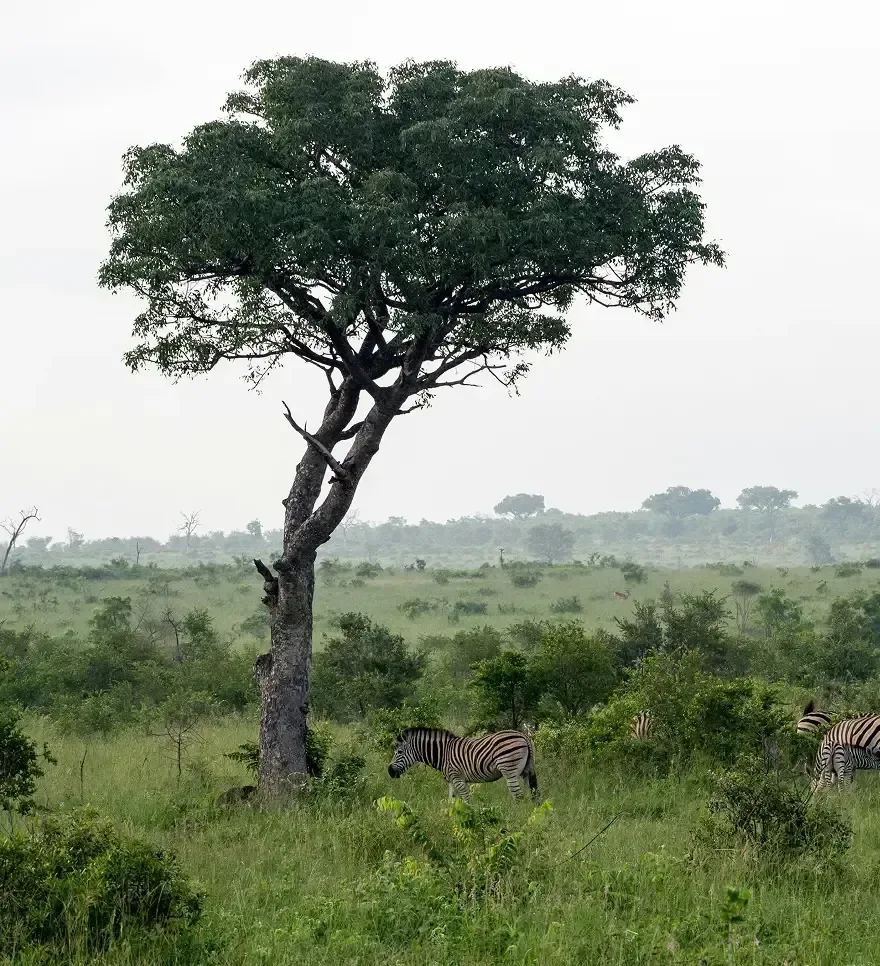
A tropical forest surrounded by Zebras.

Landscape

At the landscape level, GFIP supports on-the-ground action to conserve, restore, and sustainably manage priority forest ecosystems across the Guinean Forests region. The program works with local communities, governments, and partners to strengthen forest governance, promote sustainable livelihoods, and reduce pressures driving deforestation and biodiversity loss.
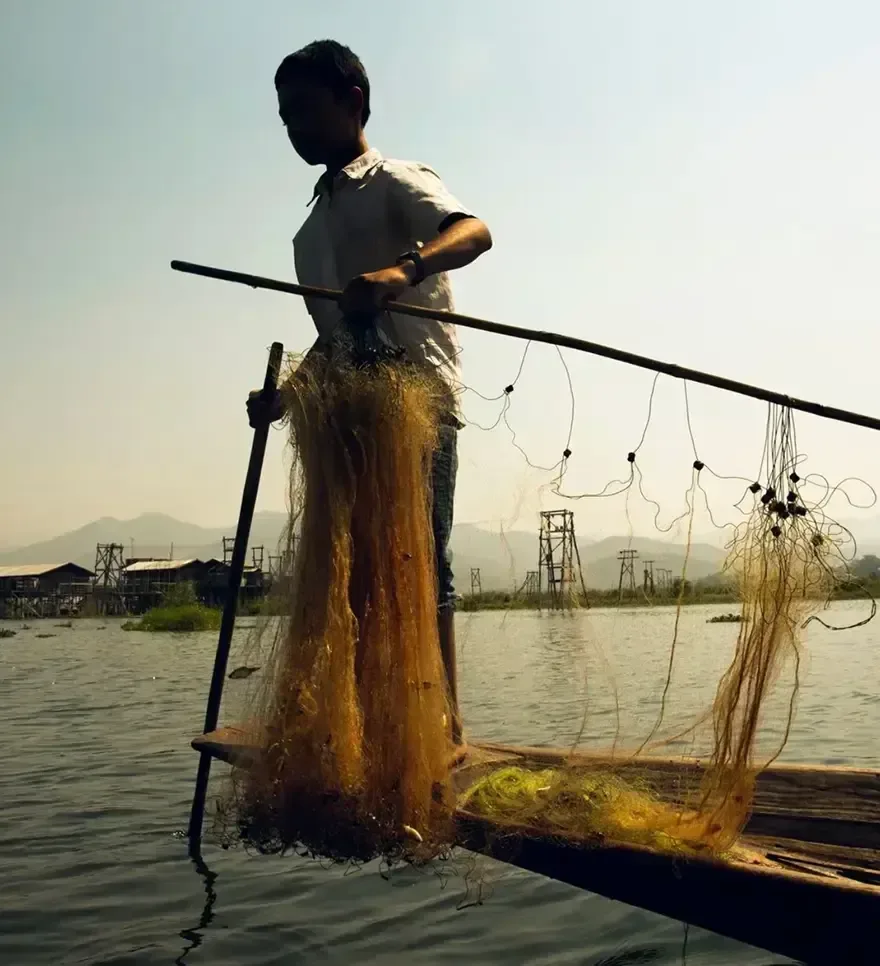
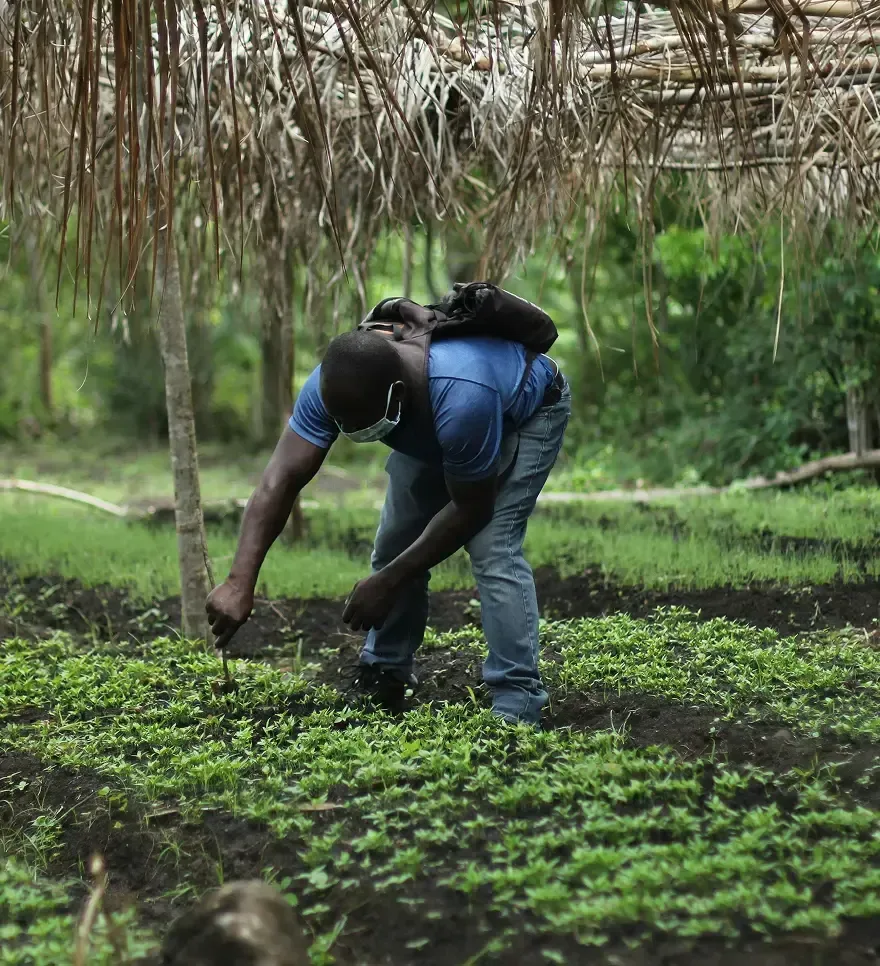
A fisherman balancing on his boat while preparing a large net on a calm lake.

National

At the national level, GFIP helps countries strengthen policies, institutions, and coordination mechanisms that support sustainable forest management. By building capacity, improving data and knowledge systems, and fostering cross-sector collaboration, the program enables countries to integrate forest conservation into broader development priorities.

A person holding young tree saplings ready for planting.

Regional

At the regional level, GFIP promotes collaboration among countries to address shared environmental challenges that transcend national boundaries. The program facilitates learning, knowledge exchange, policy dialogue, and partnerships that strengthen regional coherence and accelerate collective action across the Guinean Forests biome.

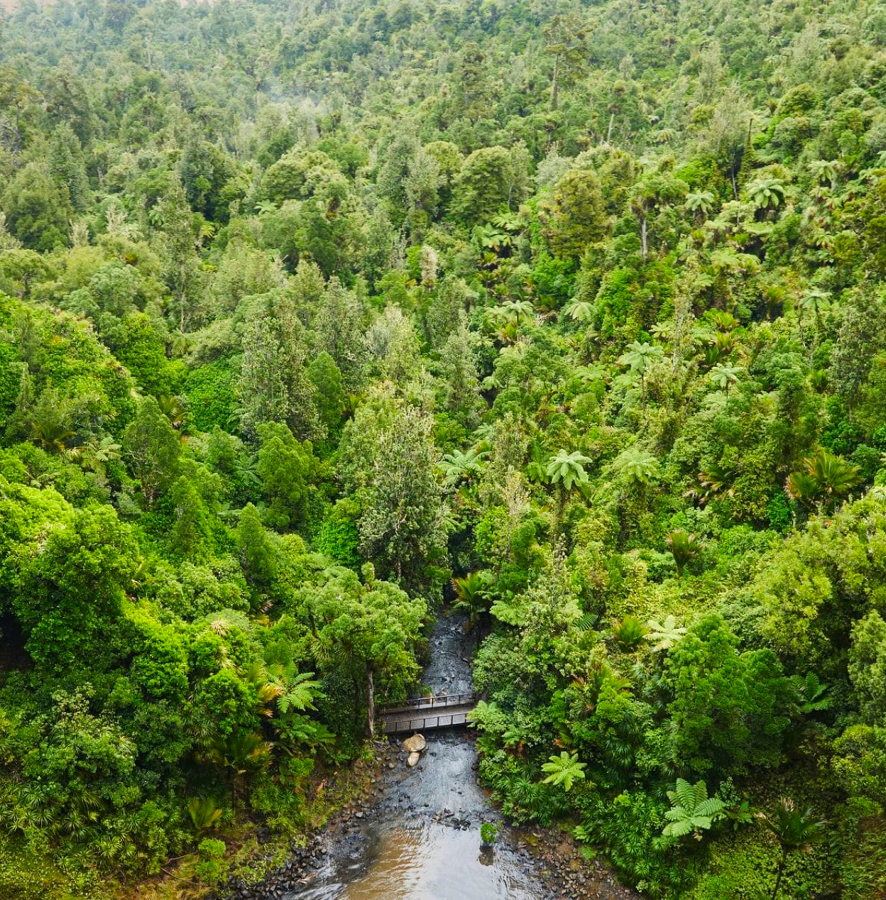
An aerial view of the thick green canopy in a tropical forest.

Global

At the global level, GFIP generates and shares knowledge, innovations, and lessons that contribute to international efforts on biodiversity conservation, climate action, and sustainable development. By connecting regional experiences to global platforms and networks, the program helps inform policy, influence practice, and mobilize support for large-scale forest conservation.